Ultimate Guide to Preventing Drink Spills at Home
Share
Understanding the Science Behind Drink Spills
Beverage mishaps occur through a confluence of physical forces that most homeowners rarely contemplate. The viscosity of liquids, combined with surface tension and gravitational pull, creates scenarios where even the most careful individuals experience unexpected spillage. Understanding these fundamental principles empowers you to implement targeted prevention strategies that address root causes rather than merely treating symptoms.
Capillary action plays a pivotal role in how liquids behave within containers. When condensation forms on exterior surfaces, it creates microscopic pathways that guide moisture toward vulnerable areas. This phenomenon becomes particularly pronounced in humid environments or when temperature differentials exist between beverage contents and ambient air.
The ergonomic design of standard drinkware often contributes to instability. Narrow bases, smooth surfaces, and inadequate grip zones transform routine beverage consumption into precarious balancing acts. Modern solutions address these design deficiencies through innovative approaches that prioritize stability without compromising aesthetic appeal.
Common Spill Scenarios in Domestic Settings
Living Room Entertainment Areas
Family gatherings and social events frequently center around comfortable seating arrangements where traditional coffee tables become staging areas for beverages. The combination of animated conversations, reaching motions, and casual positioning creates numerous opportunities for accidental displacement. Upholstered furniture particularly suffers from these incidents, as fabric absorption makes cleanup challenging and permanent damage likely.
Television viewing sessions present unique challenges when viewers become engrossed in programming. Sudden movements triggered by exciting content or unexpected plot developments often result in involuntary gestures that send drinks tumbling. The distraction factor multiplies exponentially during sporting events or suspenseful entertainment.
Kitchen Counter Dynamics
Culinary preparation areas witness frequent beverage placement on surfaces already crowded with cooking implements and ingredients. The bustling nature of food preparation creates scenarios where drinks become casualties of efficient workflow management. Steam, heat, and moisture from cooking processes also compromise container stability through condensation buildup.
Children and Pet Interactions
Households with young family members or domestic animals face amplified spillage risks due to unpredictable movement patterns. Children's developing motor skills and curious exploration tendencies transform any accessible beverage into a potential hazard. Similarly, pets investigating unfamiliar scents or seeking attention can inadvertently create chaos through tail wagging or playful behavior.
Strategic Prevention Methodologies
Surface Stabilization Techniques
Implementing non-slip underlays beneath drinkware creates friction barriers that resist accidental displacement. Silicone mats, cork coasters, and textured placemats provide foundational stability while protecting underlying surfaces from moisture damage. These solutions work particularly effectively on smooth surfaces where traditional coasters fail to provide adequate grip.
The key to effective spill prevention lies not in eliminating risk entirely, but in creating multiple layers of protection that work synergistically to minimize impact when accidents inevitably occur.
Container Selection and Modification
Choosing beverageware with wider base-to-height ratios significantly reduces tipover probability through improved center-of-gravity positioning. Weighted bottoms and anti-slip grip zones further enhance stability during handling and placement. For existing containers, aftermarket solutions like insulated cozies provide both thermal protection and enhanced gripping surfaces.
Strategic Positioning Protocols
Establishing designated beverage zones within living spaces creates predictable placement patterns that household members unconsciously adopt. These areas should feature level surfaces, adequate clearance from high-traffic pathways, and proximity to seating without requiring overextension to reach. Consider traffic flow patterns when designating these zones to avoid interference with natural movement.
Advanced Spill-Proofing Solutions
Innovative Cozy Technology
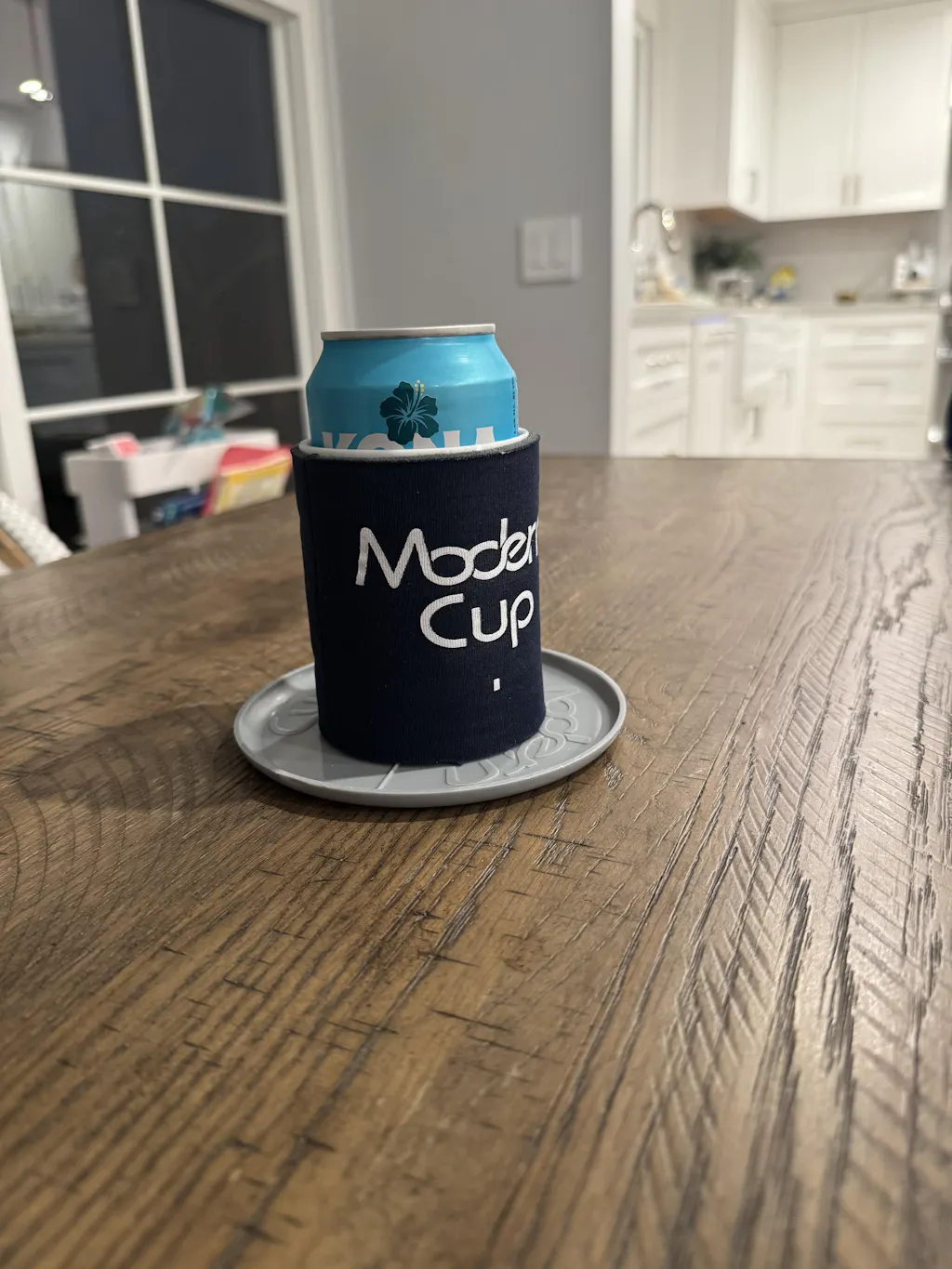
Modern insulated beverage cozies represent significant advancement in spill prevention methodology. These devices address multiple failure points simultaneously: condensation control, grip enhancement, and thermal regulation. The expanded base footprint characteristic of quality cozies creates substantial stability improvements compared to bare containers.
Neoprene construction materials provide superior moisture wicking while maintaining flexibility for various container sizes. The tactile grip improvement reduces hand slippage incidents, particularly crucial when dealing with condensation-slicked surfaces or during extended holding periods.
Environmental Modifications
Strategic furniture arrangement can dramatically reduce spill probability through elimination of precarious placement options. Side tables positioned within easy reach of seating eliminate the stretching motions that frequently precipitate accidents. Raised edges or subtle barriers on horizontal surfaces provide additional containment for minor slosh events.
| Risk Factor | Traditional Solution | Enhanced Prevention Method |
|---|---|---|
| Condensation | Paper napkin | Insulated cozy with moisture-wicking properties |
| Narrow base | Careful placement | Wide-base cozy or weighted coaster |
| Slippery grip | Two-handed holding | Textured grip zones and ergonomic design |
Maintenance and Long-term Success Strategies
Regular Equipment Assessment
Prevention systems require periodic evaluation to maintain effectiveness over time. Coasters develop wear patterns that compromise grip, cozies accumulate residue that affects performance, and surface treatments degrade through repeated cleaning cycles. Establishing monthly inspection routines ensures optimal protection levels.
Replacement indicators include visible wear on non-slip surfaces, loss of insulation properties in thermal products, and degradation of grip-enhancing textures. Proactive replacement prevents system failures during critical entertaining periods when spill consequences carry maximum impact.
Behavioral Reinforcement Programs
Consistent application of prevention protocols requires household-wide commitment to established procedures. Creating positive reinforcement systems, particularly for younger family members, transforms spill prevention from restrictive rules into engaging practices. Recognition of successful prevention efforts encourages continued adherence to protective protocols.
Emergency Response Preparedness
Despite comprehensive prevention measures, occasional spillage remains inevitable. Maintaining readily accessible cleanup supplies minimizes damage when prevention systems are overwhelmed. Strategic placement of absorbent materials, appropriate cleaning solutions, and protective equipment enables rapid response that limits secondary damage.
- Keep microfiber towels in entertainment areas for immediate moisture absorption
- Position carpet spot-cleaners near upholstered furniture zones
- Maintain protective plastic sheeting for electronic device coverage during cleanup
- Store enzyme-based cleaners for organic spill treatment
The integration of multiple prevention strategies creates redundant protection systems that accommodate varying risk scenarios throughout domestic environments. Success depends on consistent implementation and regular system maintenance rather than reliance on single-point solutions that may fail under specific conditions.